
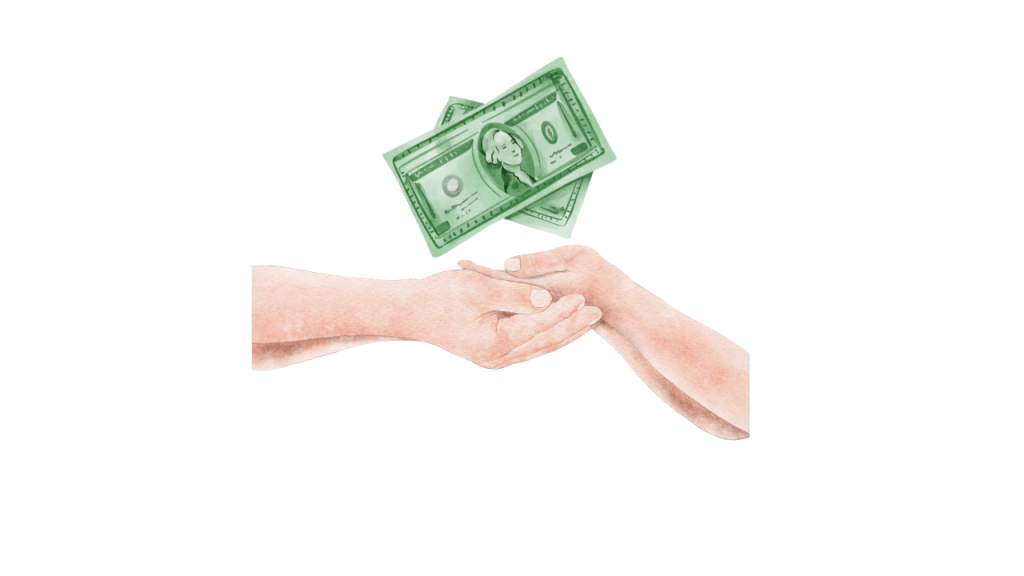
When You Realize Your Identity Has a Subscription Fee
Somewhere between the fourth and fifth hour of your doomscroll, there is the creeping suspicion that you’ve forgotten something important.
It’s when you realize that your personality isn’t entirely yours. It has been shaped, sanded down, and polished by years of advertising and the quiet pressure to be someone with a five-year plan and a consistent aesthetic.
In the 21st century, empires no longer arrive with anchors and armed ships. They arrive with subscription renewals and branded self-improvement language.
Capitalism has become the kind of roommate that is always present, rarely helpful, and constantly leaving its fingerprints on your decisions. It insists you turn hobbies into side hustles and forces you to feel guilty when you sit still. Even resting can start to feel like slacking, and simply existing becomes another item on the to-do list you never quite finish. Somewhere along the line, childhood curiosity was replaced with “personal branding,” and the desire to be interesting turned into the pressure to be marketable.
It’s not that we consciously agreed to this arrangement. It’s that from an early age, we learned that to be taken seriously we had to sell ourselves—on college applications, in interviews, through perfectly crafted statements of “passion,” “drive,” and “thriving in fast-paced environments.” For many people, staying afloat meant performing competence even when everything felt unstable. Capitalism colonized not just the workplace, but the psyche. The colony lives not in land, but in how we think about ourselves.
The irony is that Gen Z is painfully aware of this. We can critique capitalism while still shopping under its fluorescent lighting. We can repost anti-corporate memes while scrolling on devices powered by global supply chains. The self-awareness doesn’t exempt us; it just means we can see the machine even while we’re moving through it. We are perhaps the first generation that can describe our condition in detail while still being fully immersed in it.
Decolonization Is Not Aesthetic
Decolonizing the self rarely looks like dramatic overnight transformation. It looks like small, deeply unglamorous decisions: appreciating something without needing to post it, reading a book because it feels good rather than because it builds your résumé, refusing to speak about yourself only in deliverables and accomplishments. It looks like resting without guilt, or admitting that you are exhausted not because you are weak, but because the world is demanding more of you than a human body can realistically give.
Machines are consistent and efficient. Humans are not. Humans get overwhelmed, dream too big, run out of energy at 3 p.m., fall in love at bad times, and occasionally cry in the shower before carrying on with their day. Capitalism would prefer we behave like automated systems, productive and predictable.
The goal isn’t to abandon society and become a wool-spinning hermit in the woods (although if you do, please start a newsletter). It’s simply to live like you are more than a product: to see your identity as something unfolding, not something curated; to understand that your worth isn’t a KPI; to remember that you exist outside the marketplace’s expectations.
Yes, capitalism has colonized the world, and in many ways it has colonized our personalities too. But refusing to become fully mechanical, refusing to let the grind hollow out your sense of self, is its own quiet rejection. We are all working on it. And for now, that’s all we can do.
 Kithéa