
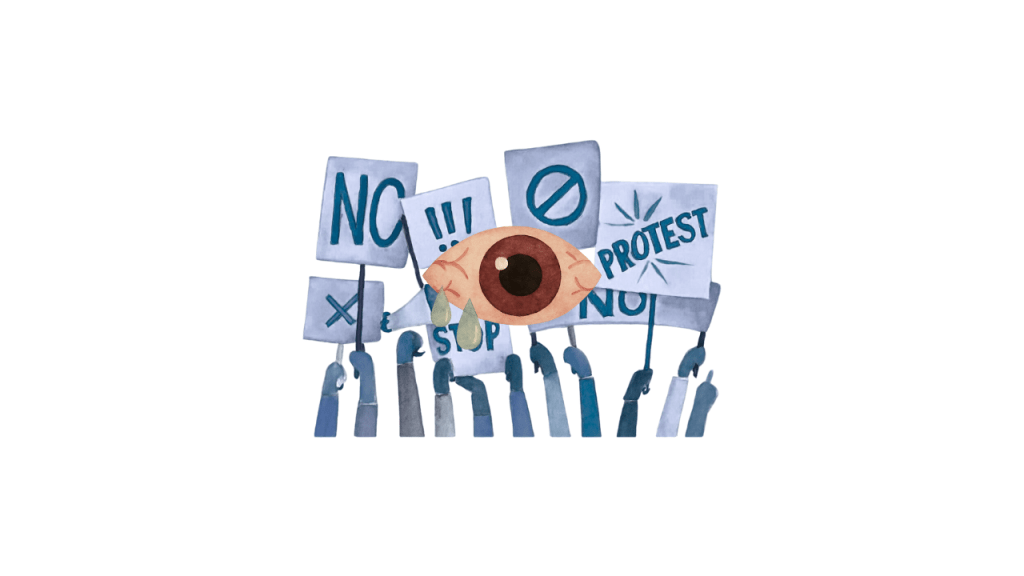
There is a particular kind of fatigue that comes from trying to remain a responsible, well-informed person in 2025. You pick up your phone in the morning with innocent intentions—just a quick check of headlines—and seconds later you’re staring into a digital mural of collapsing institutions, international disasters, economic mayhem, political drama, and the occasional algorithmically mysterious TikTok dance tutorial. Before coffee even enters the bloodstream, the day already feels like a mountain you did not agree to climb. The human brain evolved to track village gossip and occasional cattle theft, not 12 geopolitical flashpoints before breakfast.
Modern news is produced with velocity in mind. Instead of the slow, measured rhythm of a morning paper, we now receive a constant intravenous drip of updates, alerts, and anxious editorial rhetoric. Stories arrive stripped of context, competing not for understanding but for immediate reaction. The system rewards speed, emotional charge, and instant certainty. Anyone who feels overwhelmed in the face of that environment is having a normal, proportionate reaction to a culture that fires information like artillery.
Responsible engagement no longer means consuming everything the moment it emerges. It means setting boundaries with the pace of the news cycle, the same way someone might set boundaries with a friend who calls at all hours without checking if you’re awake. Designated windows of attention create space for another mode of living—reading for pleasure, noticing the weather, staring out a window, or simply existing without the sense that the fate of the world hinges on constant vigilance. Few citizens function well when their nervous systems run in emergency mode from dawn to midnight.
Depth offers another form of protection. Endless scrolling supplies a sensation of awareness while delivering very little comprehension. Longer reporting—articles, podcasts, in-depth interviews—often creates a calmer psychological atmosphere, precisely because it unpacks the complexity that headlines reduce to blunt impact. Understanding a single issue thoroughly can be more grounding than scanning a hundred brief updates that leave no time for interpretation.
Curiosity also matters. When something upsetting appears on a screen, take a moment to notice what your mind and body are doing before you decide what the story means. Anger, fear, and sorrow are reasonable responses to many events in the world, but allowing a moment of internal observation can open a window between reaction and judgment. That small pause often reveals the questions hiding beneath the feelings: what precisely is being reported, how much is confirmed, what context is missing, and what kind of response might be possible. Curiosity keeps the imagination moving instead of collapsing under the weight of assumption.
The way we talk to one another shapes our political climate as well. Online culture encourages debate as spectacle, performed for invisible audiences rather than the person actually participating in the exchange. Real dialogue requires something more generous: the willingness to assume that the other person is attempting to communicate in good faith, to ask genuine clarifying questions before responding, and to acknowledge one’s emotional state rather than disguising it behind performance. A conversation that concludes with mutual clarity, even amid disagreement, is far more civic than a flawless takedown delivered for retweets.
A sense of agency can keep despair from hardening into resignation. Small steps: supporting an organization, volunteering, writing a letter, helping someone close to home—shape a narrative of participation rather than helplessness. Change often begins at a scale that looks inconsequential from the outside. On the inside, these choices affirm that history isn’t something happening to you while you watch from the sidelines.
In the end, staying informed without emotionally collapsing involves a set of habits rather than heroic resolve: giving yourself breaks, choosing richer sources of information, letting curiosity guide interpretation, speaking to others with humility instead of competition, and taking action where possible. Some days will still go poorly; occasionally the world will feel like a weight pressing down, and there will be nothing to do but close the laptop and walk away. But even that—protecting one’s own ability to remain human—is a form of participation in its own right.
 Kithéa